5 Common Symptoms of Tree Disease in DFW
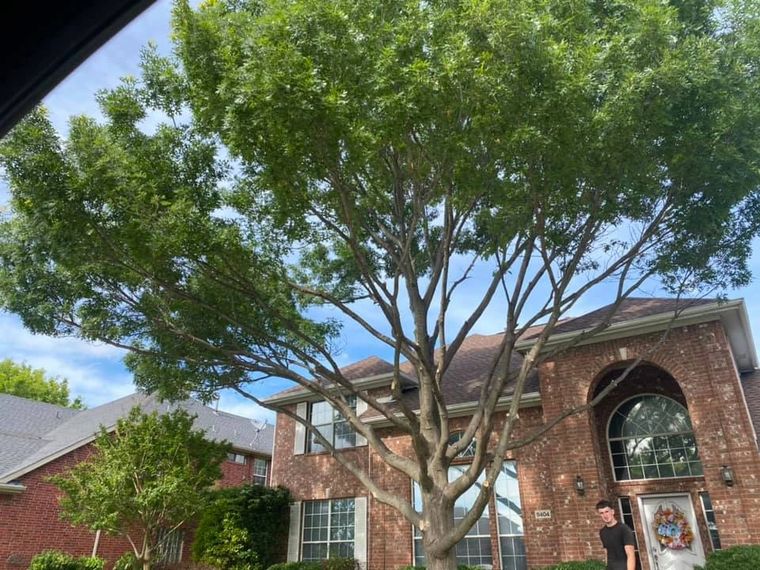
The Dallas-Fort Worth area is home to a wide variety of tree species, from stately live oaks and towering pecans to graceful red buds and hardy cedar elms. While our North Texas climate supports lush tree growth, it also creates favorable conditions for a number of tree diseases. Catching these problems early is critical -- once a disease takes hold, it can spread rapidly and may eventually require full tree removal. Here are five symptoms every DFW homeowner should watch for.
1. Discolored or Spotted Leaves
One of the earliest and most visible signs of tree disease is a change in leaf color outside of the normal seasonal cycle. If your tree's leaves are turning yellow, brown, or developing dark spots during the spring or summer months, it could indicate a fungal infection such as anthracnose or bacterial leaf scorch. Oak wilt, which is a serious concern for live oaks and red oaks throughout the DFW Metroplex, often presents as browning along the leaf margins that progresses inward. Pay close attention to leaves that discolor unevenly or drop prematurely, as this is rarely caused by simple drought stress alone.
2. Peeling or Cracking Bark
Healthy bark should be relatively uniform in texture for the species. When you notice bark peeling away in large patches, deep vertical cracks forming, or areas where the bark appears sunken and discolored, your tree may be suffering from a canker disease or internal decay. Hypoxylon canker is particularly common on post oaks in the DFW area, especially following periods of drought stress. The fungus appears as a dusty, tan-to-brown coating on the trunk or major limbs after the bark sloughs off. Unfortunately, by the time hypoxylon is visible, the tree is often beyond saving, which makes proactive health care and proper watering especially important.
3. Fungal Growth at the Base or on the Trunk
Mushrooms, conks, or shelf-like fungal bodies growing at the base of your tree or along the trunk are a strong indicator of internal decay. These fruiting bodies mean that a wood-decaying fungus has been at work inside the tree for some time, breaking down the structural wood. In North Texas, you may see species like Ganoderma or artist's conk on hardwoods, signaling significant internal rot. The presence of fungi near the root flare is particularly concerning because it suggests root decay, which directly impacts the tree's stability. If you spot fungal growth, have an arborist assess the tree's structural integrity as soon as possible.
4. Thinning Canopy and Dieback
A healthy tree should produce a full, dense canopy during the growing season. If you notice that your tree's crown is becoming increasingly thin, with bare branches visible through the canopy, or if entire limbs are failing to leaf out, this progressive dieback is a serious warning sign. In DFW, this symptom is commonly associated with oak wilt, cotton root rot (which affects a wide range of species in our alkaline soils), and prolonged drought stress compounded by secondary infections. Dieback typically starts at the branch tips and works its way back toward the trunk. Early intervention with proper fertilization, watering, and targeted treatments can sometimes slow the decline.
5. Oozing Sap or Wet Spots on the Trunk
While some sap flow is normal, excessive oozing -- especially dark, foul-smelling liquid seeping from the trunk -- can indicate bacterial wetwood (also called slime flux) or a boring insect infestation. Bacterial wetwood is common in elms, oaks, and cottonwoods throughout North Texas. You may notice dark streaks running down the bark from a wound or crack. While wetwood itself is not always fatal, it indicates internal stress and can attract secondary pests. Boring insects like the emerald ash borer, though not yet widespread in DFW, are an emerging threat that produces similar weeping symptoms along with small D-shaped exit holes in the bark.
If you have noticed any of these symptoms on your trees, the best course of action is to schedule an inspection with a professional arborist. Early diagnosis gives your tree the best chance of recovery. At Green Image Tree Service, we provide thorough tree health assessments throughout the DFW area and can recommend the right treatment plan for your specific situation.
Worried About Your Trees?
Schedule a free consultation with one of our tree care professionals today.
Get a Free Estimate