Preparing Your Trees for Texas Storm Season
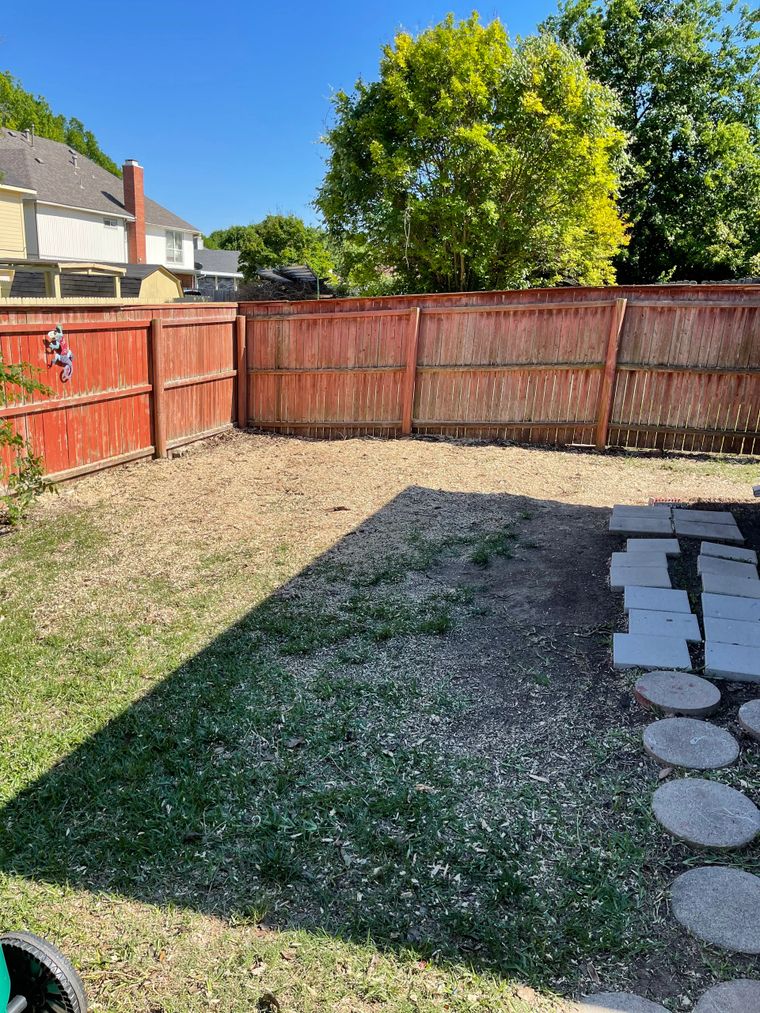
North Texas is no stranger to severe weather. From the powerful thunderstorms and straight-line winds of spring to the occasional ice storms of winter, DFW trees face a gauntlet of weather challenges throughout the year. The damage from a single storm event can cost homeowners thousands of dollars in emergency tree removal, structural repairs, and landscape restoration. The good news is that most storm-related tree failures are preventable with proactive care. Here is how to prepare your trees before the next storm hits.
Schedule a Pre-Storm Inspection
The single most effective thing you can do to protect your property is to have your trees inspected by an ISA Certified Arborist before storm season begins. A trained arborist can identify structural weaknesses that are invisible to the untrained eye -- things like internal decay, weak branch attachments, root zone compromise, and co-dominant stems with included bark. They will assess each tree's overall health, its proximity to structures and utility lines, and its likelihood of failure under wind or ice loading. Many of the trees that come down during DFW storms were already compromised long before the weather arrived. An inspection gives you the opportunity to address those weaknesses on your schedule rather than dealing with an emergency at 2 AM during a thunderstorm.
Prioritize Structural Pruning
Proper pruning is the cornerstone of storm preparedness. Structural pruning removes dead, dying, and crossing branches that are most likely to break in high winds. It also addresses problematic growth patterns such as excessive end-weight on long lateral branches, dense canopy areas that act as wind sails, and co-dominant leaders that are prone to splitting. For younger trees, structural pruning establishes a strong central leader and well-spaced scaffold branches that will carry the tree safely through decades of North Texas weather. For mature trees, crown thinning reduces wind resistance by allowing air to pass through the canopy rather than catching it like a parachute. The key is that this work should be done by a professional who understands proper pruning cuts -- bad pruning can actually make trees more vulnerable to storm damage by stimulating weak, rapid regrowth.
Consider Cabling and Bracing
Some trees have structural characteristics that make them particularly vulnerable to storm damage but are otherwise healthy and worth preserving. Large trees with multiple co-dominant trunks, heavy lateral limbs extending over rooflines, or significant lean can benefit from supplemental support systems. Modern cabling uses high-strength steel or synthetic cables installed high in the canopy to limit the movement of weak branch unions and redistribute loads during high winds. Bracing rods can reinforce split crotches and prevent them from opening further. These systems, when properly installed by a certified arborist, can extend the safe, useful life of a valuable tree by decades. They are particularly common on large live oaks and pecans in DFW neighborhoods where the trees predate the homes around them.
Address Root Health and Soil Conditions
A tree is only as stable as its root system, and North Texas soils present unique challenges. Our heavy clay soils expand when wet and shrink dramatically during drought, creating cycles of stress that can damage roots and reduce anchorage. Compacted soils in urban and suburban settings restrict root growth and limit the tree's ability to establish a wide, stable base. To improve your trees' storm resilience, maintain consistent deep watering during dry periods to prevent the soil from pulling away from root systems. Avoid piling soil, mulch, or construction materials over the root zone, and keep heavy equipment away from the drip line of trees you want to protect. Air spading and vertical mulching are techniques an arborist can use to alleviate compaction and improve soil conditions in established landscapes.
Have an Emergency Plan in Place
Even with the best preparation, severe storms can still cause tree damage. Having a plan in place before it happens saves valuable time and reduces stress. Know which trees on your property are closest to your home, power lines, and vehicles, and prioritize those for pre-storm maintenance. Keep the contact information for a reputable tree service company readily available -- after a major storm, crews are booked for weeks, and companies with existing relationships with their clients tend to prioritize those calls. Document your trees and landscape with photos before storm season so you have a record for insurance purposes. And remember that after a storm, never attempt to remove downed trees or limbs that are entangled with power lines. Call your utility provider first, then a professional tree service.
At Green Image Tree Service, we provide comprehensive storm preparation services throughout the DFW Metroplex, including pre-storm inspections, structural pruning, cabling and bracing, and 24/7 emergency storm response. Do not wait until the forecast calls for severe weather -- contact us today to get your trees storm-ready.
Get Storm-Ready Today
Schedule a pre-storm tree inspection with our tree care team.
Get a Free Estimate