5 Interesting Facts About Trees in North Texas
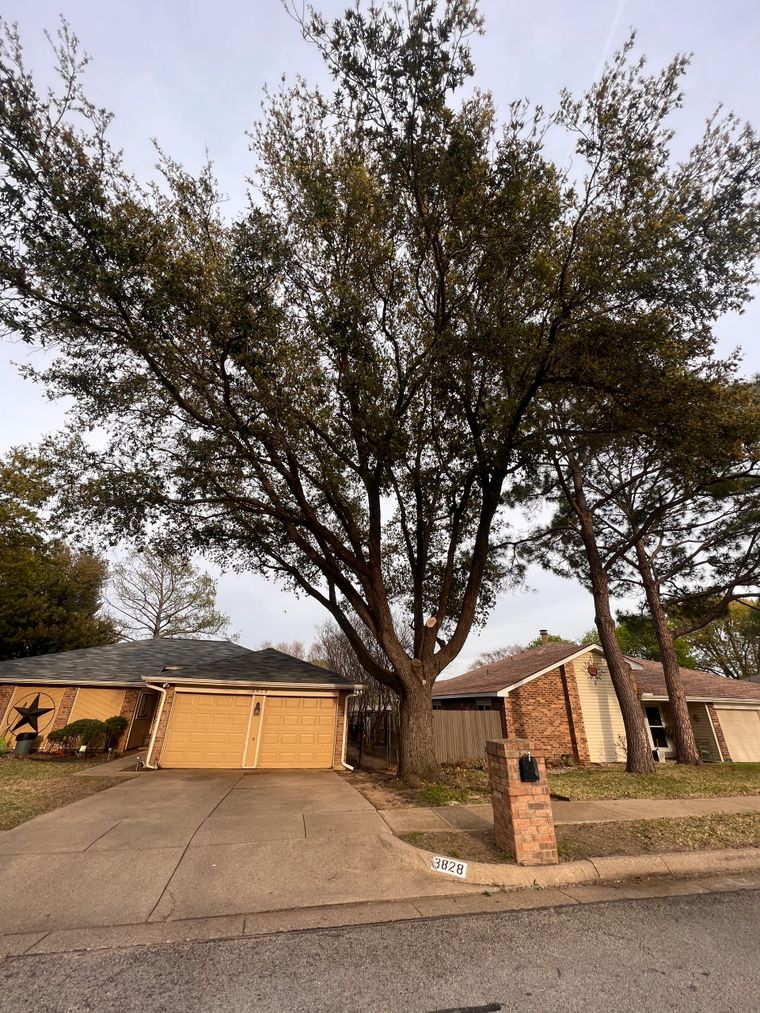
The trees of North Texas are as diverse and resilient as the region itself. Situated at the ecological crossroads where the Eastern Cross Timbers meet the Blackland Prairie and the Grand Prairie, the DFW Metroplex supports an impressive variety of tree species adapted to our unique combination of alkaline clay soils, hot summers, and unpredictable weather. Whether you are a lifelong resident or recently transplanted to the area, here are five fascinating facts about the trees that make our North Texas landscape so distinctive.
1. The Pecan Is the Texas State Tree
Texas designated the pecan tree as its official state tree in 1919, and for good reason. Native pecan trees grow prolifically along the river bottoms and creek beds throughout the DFW area, with some specimens reaching over 100 feet tall and living for 300 years or more. Governor James Hogg was so fond of the pecan that he requested one be planted at his grave. What many DFW homeowners may not realize is that the pecan trees in their yards are often among the most valuable trees on their property, both for the shade they provide and for the annual nut harvest. Mature pecans thrive in the deep alluvial soils along the Trinity River corridor, and with proper care -- including zinc supplementation, which our alkaline soils tend to lack -- they can produce abundantly for generations.
2. The Cross Timbers Forest Is Ancient
Stretching through the western portions of the DFW Metroplex, the Eastern Cross Timbers is a band of post oak and blackjack oak woodland that early explorers described as nearly impenetrable. Washington Irving, traveling through the area in 1832, famously called it a "forest of cast iron." What makes this ecosystem remarkable is its age. Core samples from post oaks in the Cross Timbers have yielded ages of 200 to over 400 years, meaning some of the gnarled oaks still standing in parts of Keller, Roanoke, and Denton County were already mature trees when Europeans first arrived in North America. These ancient post oaks have survived centuries of drought, fire, and ice storms, and they represent an irreplaceable piece of natural heritage that deserves careful stewardship.
3. Live Oaks Stay Green (Almost) Year-Round
One of the most popular and widely planted trees in DFW is the live oak, and it has a unique leaf cycle that surprises many newcomers to North Texas. Unlike typical deciduous trees that drop all their leaves in autumn, live oaks are classified as semi-evergreen. They hold their dark green leaves through the winter and then drop them in late February or March -- right as new leaves are already emerging. This means there is only a brief two-to-three-week window where the tree looks somewhat bare before the fresh canopy fills in. This characteristic makes live oaks an excellent choice for year-round shade and privacy screening in DFW landscapes. They are also remarkably wind-resistant, with a broad, spreading canopy and strong branch structure that handles Texas weather well.
4. DFW Sits on a Botanical Boundary
The DFW area occupies a unique position in North American ecology. It sits right along the 98th meridian, which roughly marks the transition from the humid eastern United States to the semi-arid west. This boundary means that DFW supports tree species from both ecological zones. You will find eastern species like sweetgum, red oak, and American elm growing alongside western-adapted species like mesquite, Texas ash, and cedar elm. This botanical diversity is one of the reasons the DFW urban forest is so varied, but it also means that some species are living at the edge of their natural range and can be particularly sensitive to drought or extreme cold events like the 2021 winter storm. Understanding which species are best adapted to your specific location and soil type is key to a healthy, low-maintenance landscape.
5. A Single Large Tree Provides Remarkable Benefits
Research from the Texas A&M Forest Service has quantified what many DFW residents already sense intuitively: large trees provide extraordinary environmental and economic benefits. A single mature shade tree can reduce air conditioning costs by 20 to 30 percent by shading a home's roof and walls during our brutal North Texas summers. Over the course of a year, a large tree can absorb approximately 48 pounds of carbon dioxide, intercept hundreds of gallons of stormwater that would otherwise contribute to urban flooding, and filter particulate matter from the air. The collective urban forest across the DFW Metroplex is estimated to provide billions of dollars in ecosystem services annually. This is precisely why investing in professional tree care -- proper pruning, disease treatment, and soil management -- pays such significant returns over the life of the tree.
The trees of North Texas are remarkable in their diversity, their resilience, and their value to our communities. Whether you have a century-old post oak, a stately pecan, or a row of newly planted live oaks, proper care ensures these trees continue to thrive and provide benefits for generations to come. If you have questions about the trees on your DFW property, the arborists at Green Image Tree Service are always happy to help.
Want to Learn More About Your Trees?
Our arborists can identify your tree species and recommend a personalized care plan.
Get a Free Estimate